

I have been working on the trends of the Nepalese Foreign Policy as the existing global order gets gradually altered in 21st century world ...
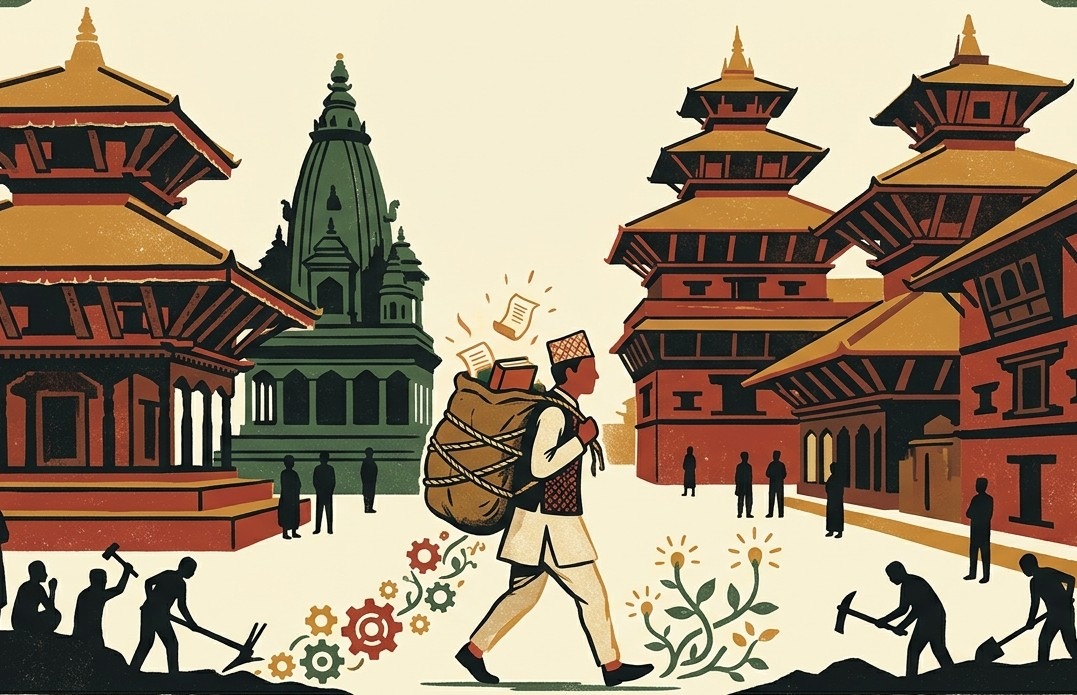
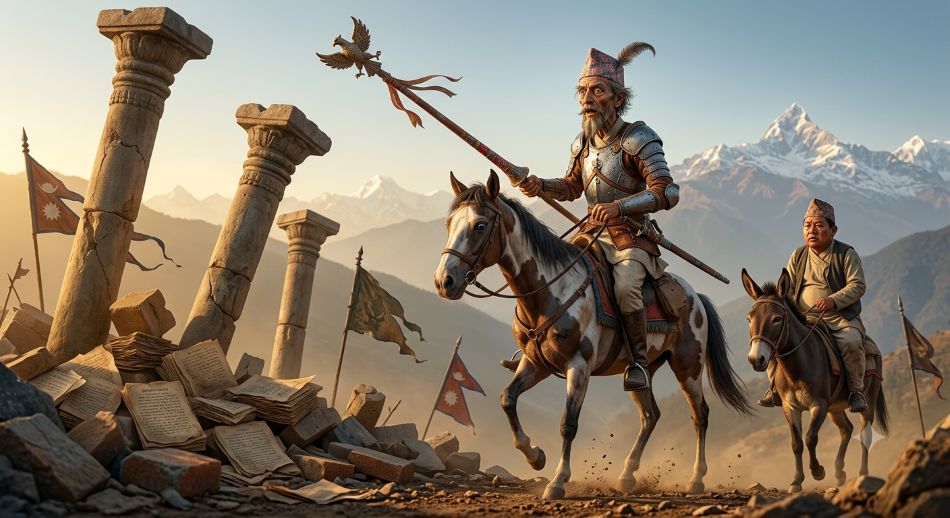
Nepal holds a quiet persistant longing—a wish for a solitary figure who might sweep away every trouble with a single gesture. This dream of the solo hero, however, is both the country’s most touching faith and its most dangerous illusion.
Moreover, this yearning for a messiah did not emerge from nowhere. It grows from soil fertilized by repeated failures, from constitutions written and rewritten, from governments formed and dissolved before they could finish their work.
When a people see their institutions crumble again and again, they naturally begin to look past institutions toward individuals. The Nepali citizen, weary of process, begins to crave personality. And in this craving lies a subtle trap.
Consequently, the idea of smuggling Western democracy into Nepal deserves careful examination—not as a conspiracy of foreign powers, but as an incomplete conversation between two very different worlds.
Western democracy arrived in Nepal not as a native flower but as an imported seed. It was planted in soil that had known monarchy, had known hierarchy, had known a different rhythm of authority and obedience.
The seed sprouted, yes, but its roots never reached deep enough to anchor the tree against the storms that would come.
Furthermore, the reinstallation of democracy in Nepal remains unfinished because installation is not the same as cultivation. To install is to place something in position; to cultivate is to tend it daily, to prune it, to protect it from disease.
Nepal’s democratic experiments have been installations without cultivation. Constitutions have been drafted with eloquence, yet the habits of democratic citizenship—patience with disagreement, trust in procedure, acceptance of incremental progress—have not taken hold in the public imagination. The structure exists; the spirit flickers.
In addition, every generation in Nepal seems destined to rise up because each generation inherits the unaddressed grievances of the one before. The political uprising is not merely a rebellion against present rulers; it is an accumulated protest against every ruler who ever promised transformation and delivered only transformation’s shadow.
When a young Nepali joins a protest today, they carry not only their own frustration but the inherited frustration of their parents, who once marched for democracy in 1990, and their grandparents, who witnessed the fall of the Rana regime in 1951. The uprising becomes a family heirloom of disappointment.
Nevertheless, it would be unfair to place all blame upon the Nepali people or their leaders alone. The Himalayan state sits between two rising giants, India and China, each with its own gravitational pull.
Diplomatic navigation in such a space requires a sophistication that would test any nation, let alone one still finding its democratic feet. The solo hero that the people seek would need to be diplomat, economist, social reformer, and magician all at once—an impossible standard that guarantees perpetual dissatisfaction.
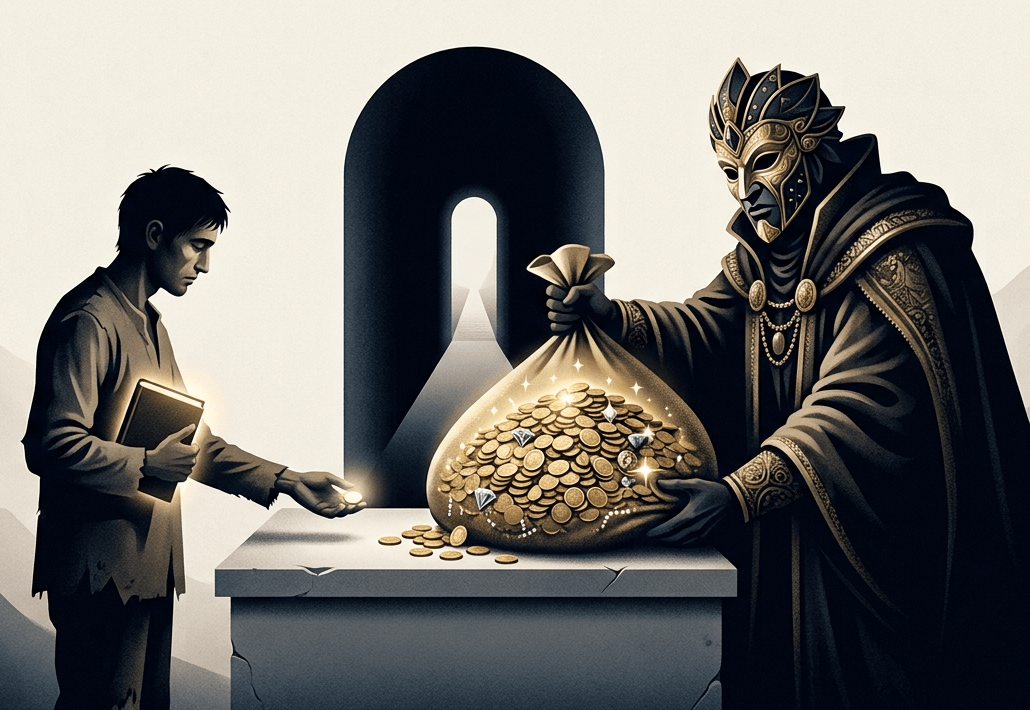
On the other hand, the West’s approach to Nepali democracy has often been transactional rather than transformational. Democracy assistance came with conditions, with timelines, with the quiet assumption that Western models could be transplanted intact.
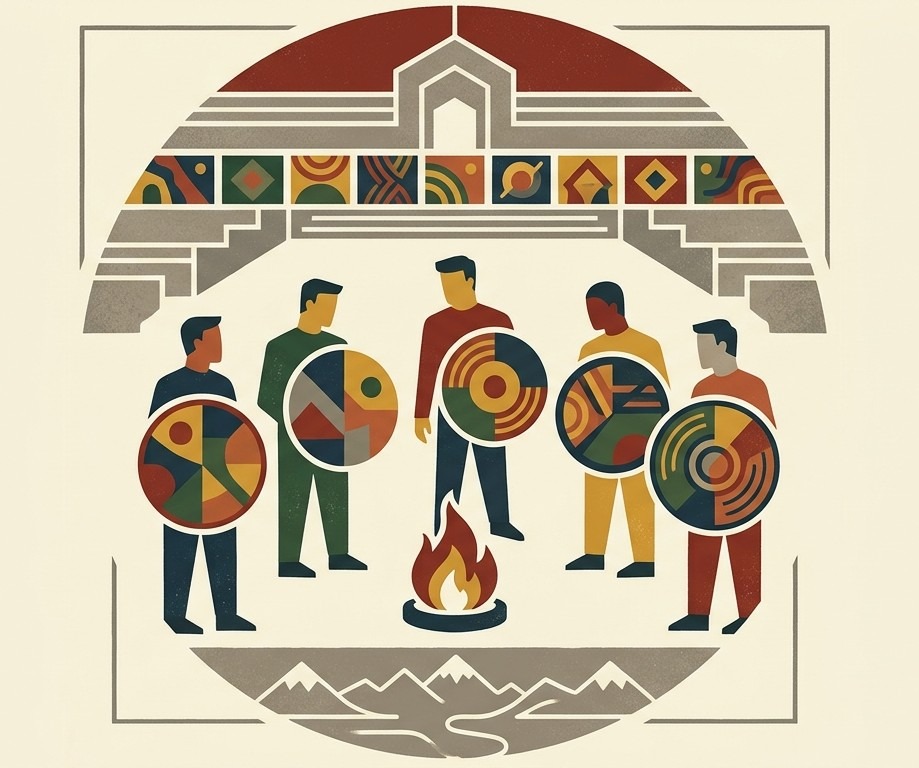
But democracy, like water, takes the shape of its container. In Nepal, it has had to flow through channels carved by caste, by ethnicity, by geography, by centuries of a different kind of politics.
The result has been a hybrid creature—part Western form, part Himalayan substance—that satisfies neither its foreign architects nor its local inheritors.
Therefore, the path forward requires a humbler understanding of what democracy can and cannot do. It cannot produce a solo hero, for democracy is precisely the rejection of solo rule.
It cannot instantly create jobs, heal social divisions, or secure diplomatic victories, for these are the slow work of institutions, laws, and accumulated trust. What democracy can offer is a framework within which a people learn to solve their own problems—not through uprising, but through the less dramatic work of negotiation, compromise, and patience.
Ultimately, Nepal’s unfinished democratic journey is not a failure to be mourned but a lesson to be studied. The Himalayan state reminds us that democracy is not a product that can be shipped across borders; it is a practice that must be grown in place.
Until the Nepali people release their hold on the dream of the solo savior and embrace the harder truth—that they themselves must be the heroes they seek—the cycle of installation and uprising will continue.The mountains will endure, as they always have. But the nation at their feet still searches for a foundation as solid as the rock beneath it.
I have been working on the trends of the Nepalese Foreign Policy as the existing global order gets gradually altered in 21st century world ..
I have been working on the trends of the Nepalese Foreign Policy as the existing global order gets gradually altered in 21st century world. I am an MA in English and MPhil in International Relations a...
@ Copyright matrikapoudyal.com All Rights Reserved
Designed by Fortune Info Tech