

I have been working on the trends of the Nepalese Foreign Policy as the existing global order gets gradually altered in 21st century world ...
The Nepali Congress has lost its moral authority. The UML has lost its ideological soul. The Maoists have lost their revolutionary fire. The Madhesi parties have lost their unity. The RSP is losing its novelty.
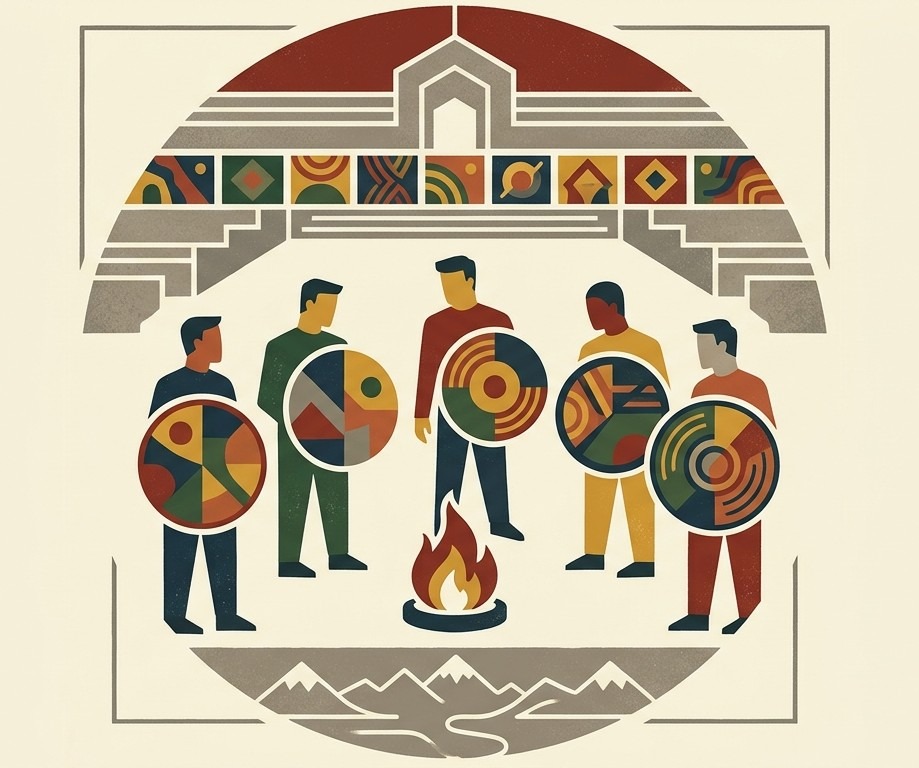
Nepal stands at a crossroads of insidious socio-political calamities—the tribalism of its politics. The Nepali Congress, the Communist Party of Nepal (Unified Marxist-Leninist), the Communist Party of Nepal (Maoist Centre), the Janata Samajbadi Party—Madheshi-interest political party with its dozens of variants, and the Rastriya Swatantra Party have all become tribes.
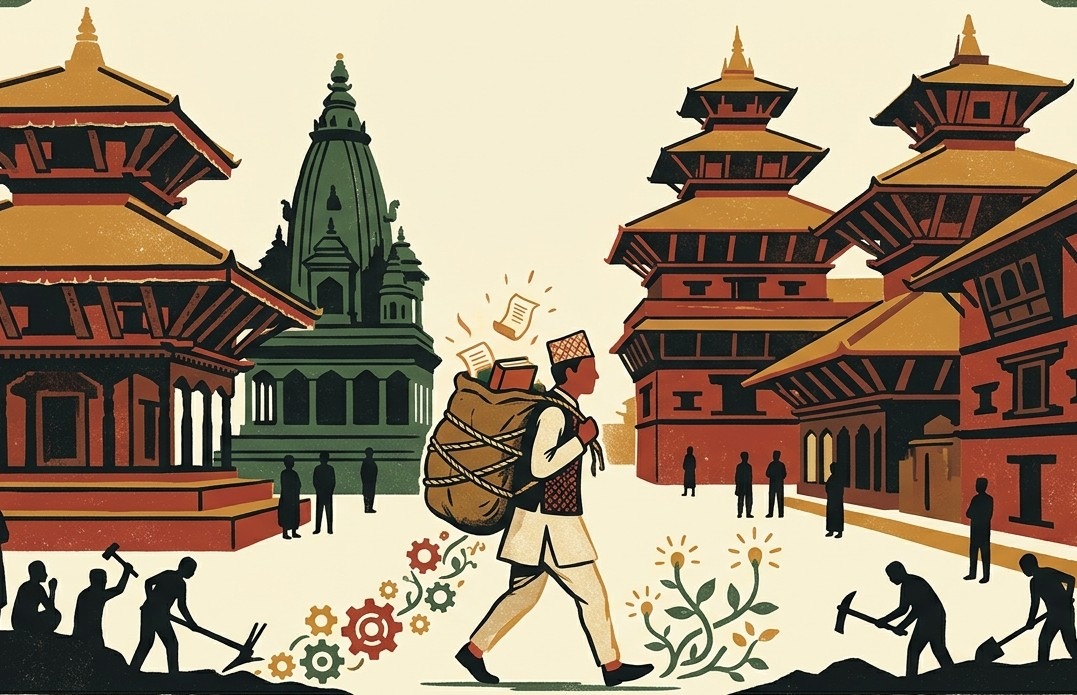
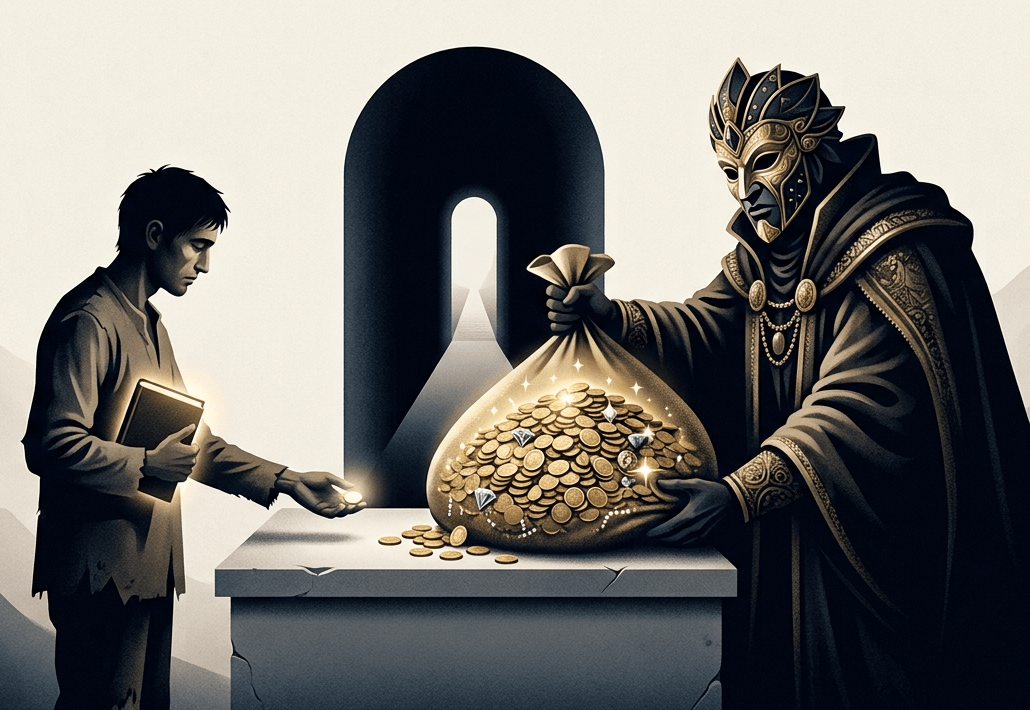
They wear different colors, chant different slogans, and promise different heavens, yet they share one common trait: they have forgotten the people who lifted them to power. The voters’ generosity is perhaps the most sacred thing in a democracy—a person waking before dawn, standing in line, pressing a button with hope in their heart. These tribes have taken that hope and traded it for power, position, and petty revenge.
Look at the Nepali Congress, the grand old party that once carried the torch of democracy. During campaigns, its leaders speak of constitutionalism, of liberal values, of economic modernization. They promise jobs for the youth, security for the elderly, and dignity for the farmer.
However, once the votes are counted, the same leaders disappear into the corridors of Singha Durbar, negotiating ministerial portfolios and foreign postings. The youths still leave for the Gulf and Malaysia. The farmers still wait for fertilizer that never arrives.
The Congress tribe has become a machine for managing power rather than delivering change. Its leaders fight internal battles for the party presidency while the country burns with inflation and unemployment. They speak of democratic values in public and practice feudal politics in private.
Then comes the UML, the communist tribe that once mobilized the masses with dreams of equality. Its chairman promises industrialization, railway networks, and a self-reliant economy. The red flag waves at rallies, and the cadres believe.
But what follows? Coalitions built on convenience, not conviction. Ministers who speak of socialism while their children study in London and New York. The UML tribe has mastered the art of the U-turn—opposing something in the morning and supporting it by evening if a ministry is offered.
They speak of nationalism but sell river projects to foreign companies without transparency. They promise employment but preside over an economy where half the youth see no future at home. The communist tribe has become what it once fought: a privileged class living off the state.
The Maoist Centre carries perhaps the heaviest burden of betrayal. This tribe once marched through the hills with guns, promising to liberate the oppressed, to restructure the state, to bring the marginalized to the center. Millions voted for them believing in revolution.
In contrast, revolution became rehabilitation—of former commanders into luxury vehicles, of war widows into forgotten statistics. The Maoist tribe speaks of federalism but centralizes power. It speaks of inclusion but distributes tickets to the same elite families.
The genuine grievances of Madhesis, Dalits, Janajatis, and women that the Maoists once channeled have been buried under the weight of their own leaders’ ambitions. They fought a war for the people, then made peace with the system they once vowed to destroy.
The Madhesi political tribes—Janata Samajbadi Party and its various fragments—promised dignity for the plains, an end to discrimination, and proportional representation. They mobilized the Terai with speeches about identity and justice.
Nevertheless, when power came, they fragmented into personal fiefdoms. Some occupied senior ministerial portfolios, others became ministers, and the hundreds of thousands of Madhesi youths still cross the border to India or board the planes to the Middle East or East Asia for work.
The Madhesi political tribes have fought each other more than they have fought the discrimination they were elected to end. They speak of the Madhesi cause but behave like any other Kathmandu-centric party when in office. The plains remain underdeveloped, the floods still come, and the people still feel mistreated in their own country.
The newest tribe, the Rastriya Swatantra Party, arrived with fresh faces and the promise of being different. No old leaders, no dynasty politics, no corruption. The urban youth, tired of the old tribes, embraced them. But governance is not a startup. It requires patience, compromise, and deep knowledge of the system.
The RSP tribe discovered that shouting against corruption from a stage is easier than governing without becoming part of the same machinery. Their ministers made rookie mistakes, their MPs learned that Parliament runs on rules older than their political careers, and their supporters watched as the new tribe began to look suspiciously like the old ones. They promised to break the system but found themselves trapped by it.
The timeline of Nepal’s political economy tells the story of this collective failure. In 1990, democracy arrived with dreams of prosperity. In 1996, the Maoist war began because the state had failed its people. In 2006, the peace agreement promised a new Nepal.
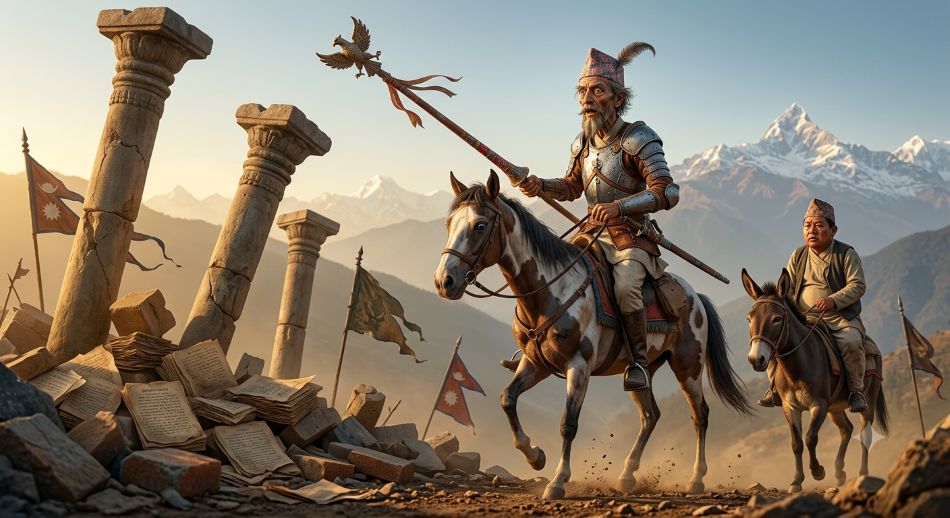
In 2015, the constitution was born in earthquake and blockade, and the tribes celebrated while the people suffered. In 2017, the left alliance promised stability. In 2022, the people voted for change again, and the tribes reshuffled the same deck. In 2026, the same people catapulted RSP, a political tribe in ‘new garb’, to power, and the tribalism further emboldens with hubris and swagger.
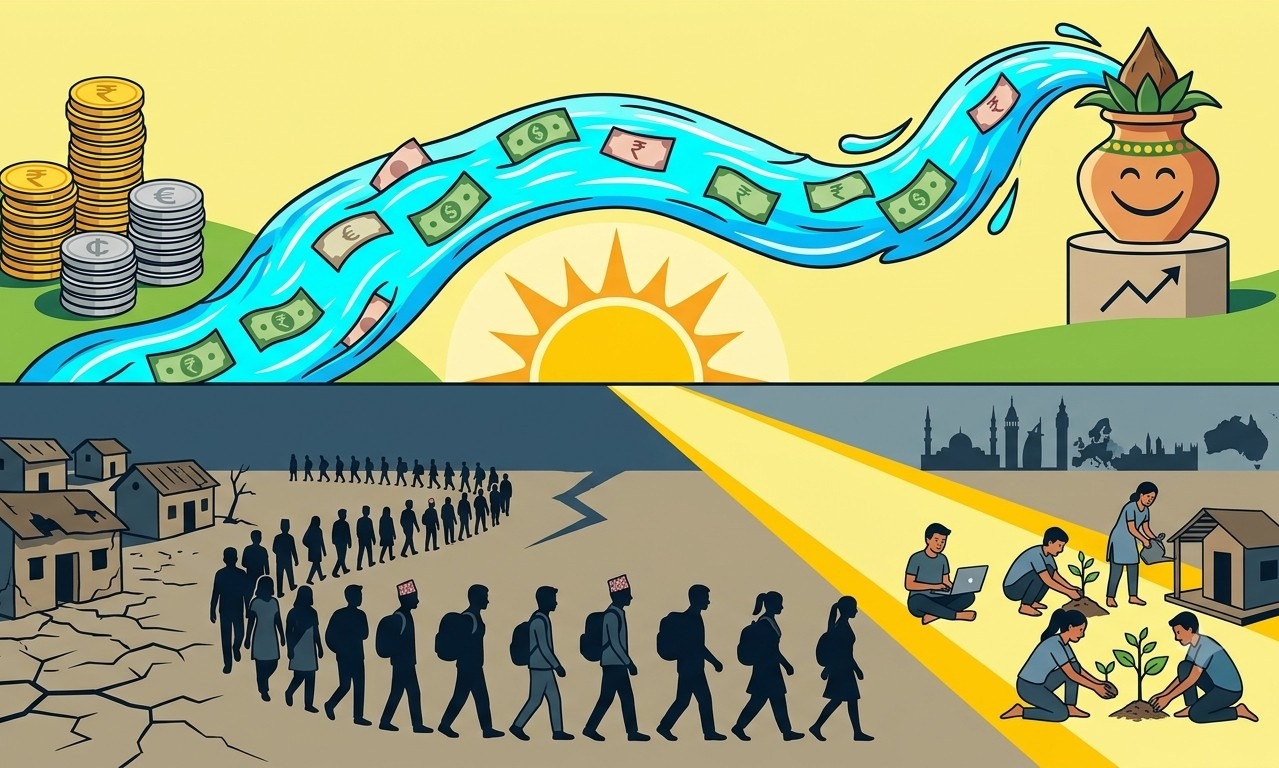
Diplomatically, Nepal has balanced between India and China, receiving promises of railways and ports that remain on paper. Economically, remittances keep the country alive while the tribes debate ideology. The timeline is a graveyard of broken promises, each election a new headstone.
These tribes have not only failed their voters; they have failed themselves. The Nepali Congress has lost its moral authority. The UML has lost its ideological soul. The Maoists have lost their revolutionary fire. The Madhesi parties have lost their unity. The RSP is losing its novelty.
They have become prisoners of their own creation—a system where winning elections matters more than governing, where opposition is theatrical, and where the national interest is whatever serves the next coalition.
They clash over who gets to be Prime Minister for nine months, while the country loses a generation to migration. They debate constitutional amendments that never come, while the constitution itself gathers dust. They have turned politics into a family business, a career path, a means to wealth.
And so the people of Nepal continue their decent generosity. They still vote. They still hope. They still believe that somewhere, somehow, someone will keep a promise. But the tribes have forgotten that a voter’s patience is not infinite.
Every young Nepali who leaves for South Korea is a vote of no confidence. Every Nepali farmer who commits suicide is a verdict on governance. Every Nepali student who studies abroad and never returns is a judgment on the political tribes.
Nepal does not need new political tribes. It needs leaders who remember that power is borrowed, that promises are sacred, and that the voter’s generosity is the only real legitimacy any government ever has.
Until that day, the tribes will clash, the people will suffer, and the broken covenant between the governed and the governing will remain the true tragedy of this beautiful, betrayed nation.
I have been working on the trends of the Nepalese Foreign Policy as the existing global order gets gradually altered in 21st century world ..
I have been working on the trends of the Nepalese Foreign Policy as the existing global order gets gradually altered in 21st century world. I am an MA in English and MPhil in International Relations a...
@ Copyright matrikapoudyal.com All Rights Reserved
Designed by Fortune Info Tech