


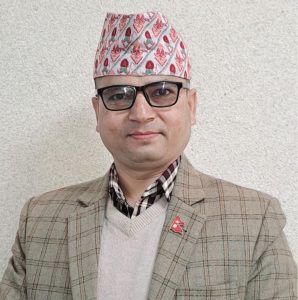
I have been working on the trends of the Nepalese Foreign Policy as the existing global order gets gradually altered in 21st century world ...
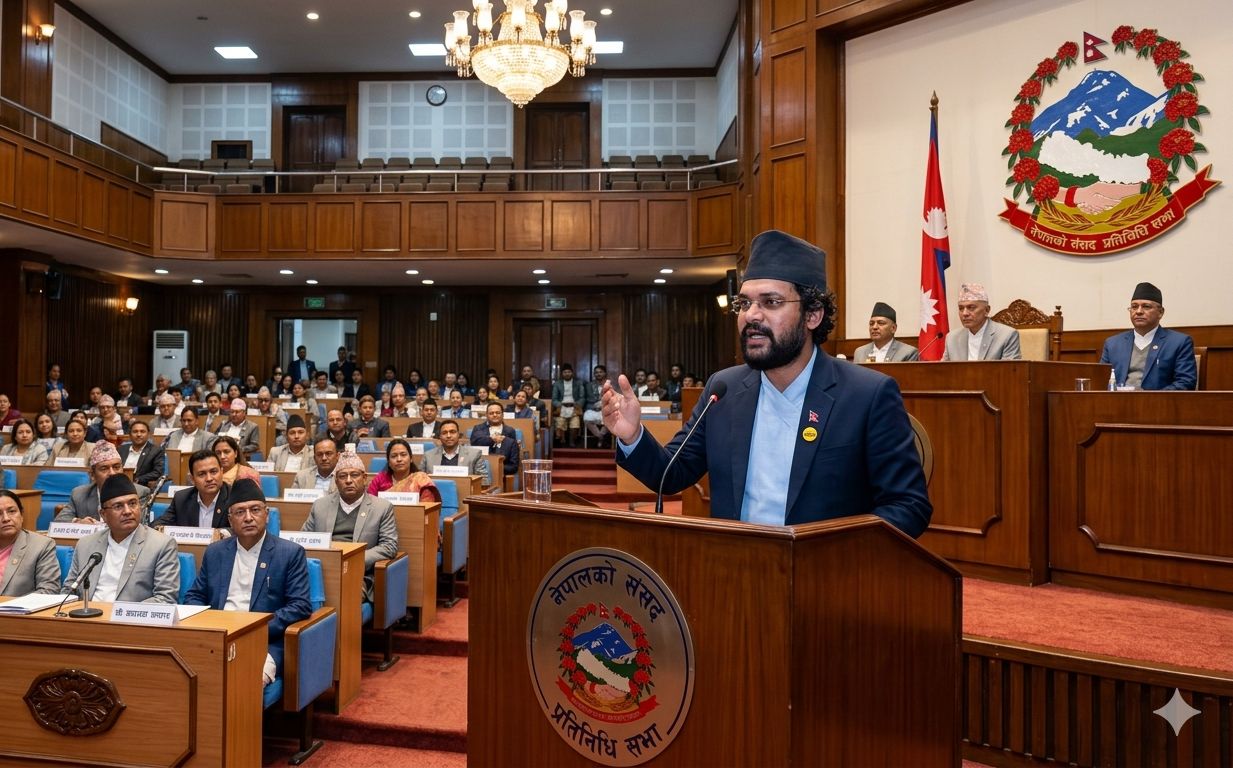
Hubris is the silent killer of republics. In Nepal, the current government moves with a swagger that belies its mandate. The entire cabinet members speak as though wisdom arrived with their appointment letters. The leaders of the ruling party, despite their vast attempts toward true redemption, possess leaden feet on moral wealth.
This is not governance. This is performance. History offers no comfort to the arrogant. The Rana oligarchy ruled for a century convinced that bloodlines equaled brains. They built palaces while the people measured hunger.
Their hubris collapsed not because of foreign armies, but because they mistook silence for consent. The dynasty fell in 1951, not merely to revolution, but to its own delusion of permanence.
The Panchayat system repeated the error. For thirty years, the palace and its coterie insisted that partyless rule was Nepal’s unique destiny.
They spoke of national culture while suppressing national voices. The constitution became a mirror for their vanity. When the walls cracked in 1990, they discovered that no amount of propaganda can outlast a people’s patience.
The democratic governments of the 1990s arrived with promise. They departed with little to show. Leaders who had fought for the people soon fought for portfolios.
Coalition mathematics replaced national vision. Each party claimed the moral high ground while delivering the same stale compromises. The hubris of assuming that electoral victory equals administrative genius left the state fragile.
Then came the insurgency, and with it, a different swagger. The Maoists believed bullets could redraw society. The state believed force could preserve it. Both were wrong.
The Comprehensive Peace Agreement of 2006 was not a victory for either side. It was an admission that hubris on all sides had bled the nation dry.
Today’s leaders inherited that hard-won peace. Yet they behave as though history began with their swearing-in. Federalism was negotiated, not granted.
The constitution was compromised, not consecrated. To walk these halls with chests puffed is to misunderstand the very nature of Nepal’s transition. Power here is borrowed, not owned.
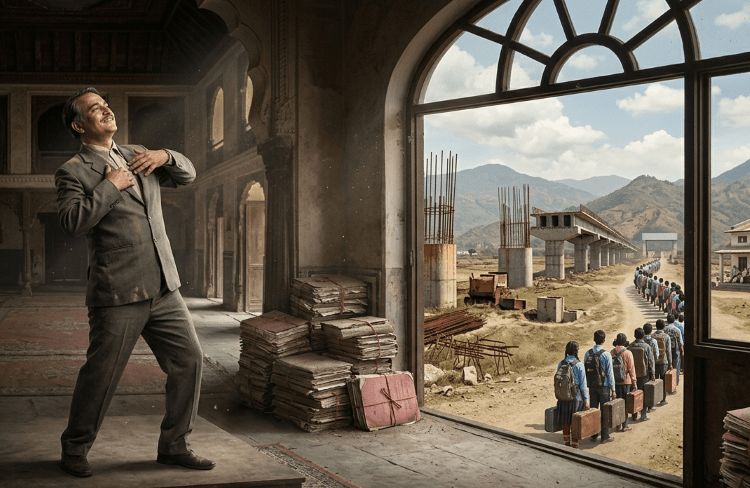
The cost is measured in unfinished roads, in young minds leaving for foreign labor markets, in hospitals without doctors, and in files that gather dust while ministers pose for cameras.
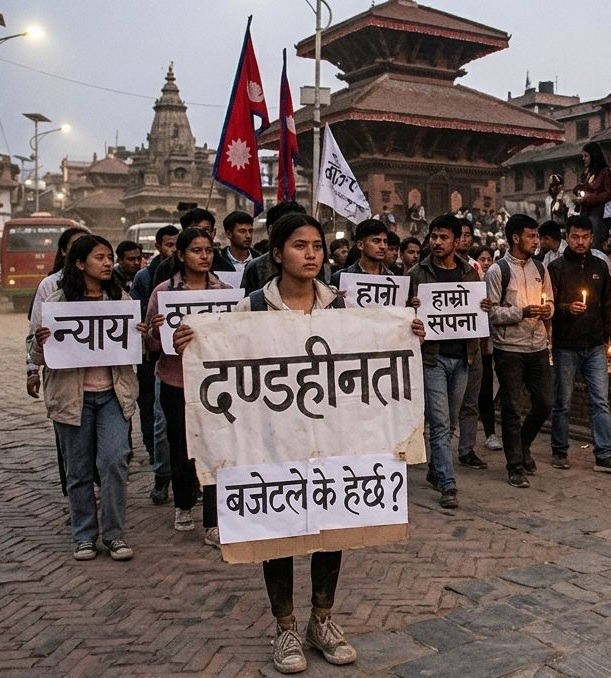
The people do not ask for miracles. They ask for water, for justice, for a teacher who arrives on time. These are not revolutionary demands. They are the baseline of civilization. A government that cannot meet them has no business posturing on the world stage.
Exfoliating this swagger requires institutional modesty. It means listening to civil servants who actually know the terrain. It means admitting that five-year plans have failed before.
It means understanding that opposition voices are not enemies, but stress tests for policy. Humility in governance is not weakness. It is the supreme political discipline.
Nepal does not need saviors in suits. It needs servants with files. The past teaches one brutal truth: governments that confuse posture with progress always fall.
The current administration still has time to choose differently. History is watching. So are the people. And neither suffers fools.
I have been working on the trends of the Nepalese Foreign Policy as the existing global order gets gradually altered in 21st century world ..
I have been working on the trends of the Nepalese Foreign Policy as the existing global order gets gradually altered in 21st century world. I am an MA in English and MPhil in International Relations a...
@ Copyright matrikapoudyal.com All Rights Reserved
Designed by Fortune Info Tech