


I have been working on the trends of the Nepalese Foreign Policy as the existing global order gets gradually altered in 21st century world ...
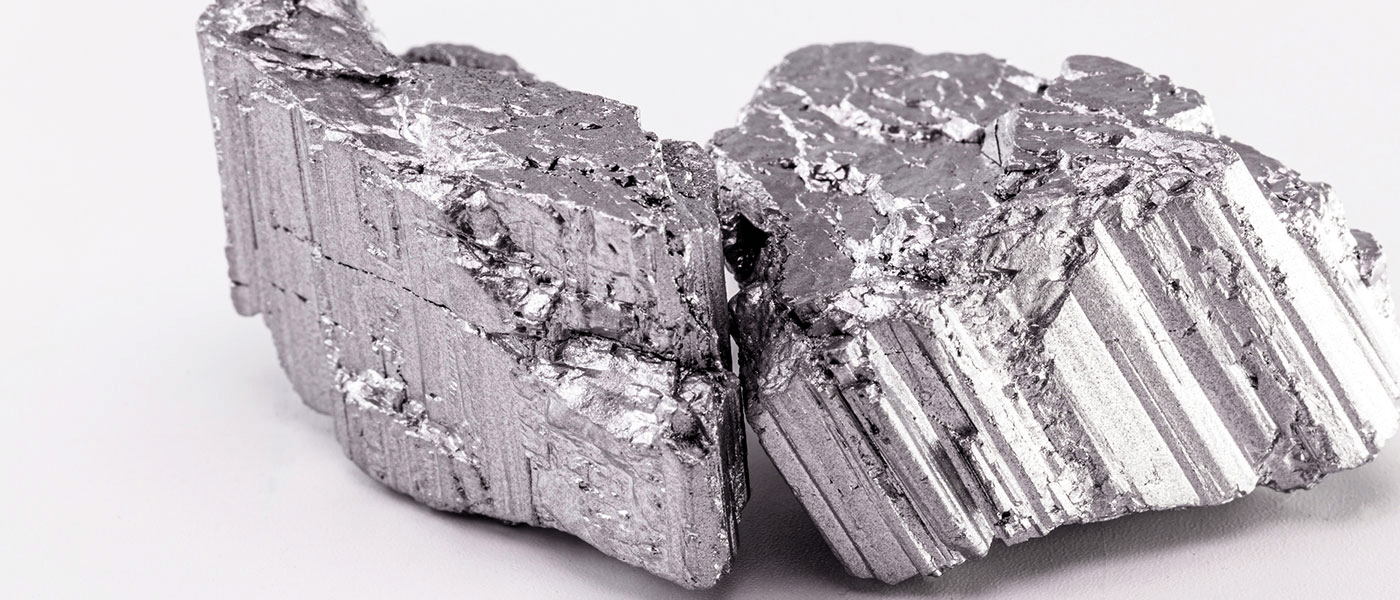
Yet, once the harvest is complete, they take most of the fruit, leaving the owner with meager scraps. Over time, the orchard’s soil becomes barren, but the wealthy neighbor continues to demand the same share, leveraging their influence to ensure compliance. Similarly, wealthy states and corporations secure access to minerals through contracts that prioritize their own interests, offering minimal compensation while claiming the majority of profits.
These exploitative arrangements are reinforced through political and economic pressure. Poorer nations, burdened by debt or reliant on foreign aid, are often coerced into accepting unfavorable terms. For instance, a powerful country might fund infrastructure projects in exchange for mining rights, yet the revenue generated rarely benefits local communities.
The consequences extend far beyond economics. Mining operations frequently devastate landscapes, polluting water sources and displacing communities. To visualize this, imagine the wealthy neighbor’s tools tearing through the orchard, poisoning the soil and leaving the land unusable for future generations. In poorer countries, such damage is compounded by lax regulations and limited accountability.
Moreover, profits from mineral sales rarely fund healthcare, education, or sustainable development. Instead, communities face health crises, lost livelihoods, and cultural erosion, while foreign corporations and their allies amass wealth.
This dynamic not only perpetuates dependency but also stifles progress. The orchard owner, now reliant on the neighbor’s tools, cannot develop their own. Likewise, poorer nations become trapped as raw material suppliers, unable to build industries that add value to their resources.
Adding to this imbalance, trade policies and global market structures further entrench inequality. For example, wealthy nations impose tariffs on processed goods, discouraging industrialization in resource-rich states. Thus, economic power reinforces geopolitical dominance, creating a hierarchy where the poor remain perpetually subordinate.
In essence, the extraction of minerals by powerful nations is not merely transactional but exploitative. It mirrors a relationship where strength is weaponized to extract wealth, leaving the vulnerable with depleted resources, ecological ruin, and systemic inequality. Crucially, the brutality lies not only in the immediate loss but in the enduring structures that ensure the cycle repeats.
Since the farmer cannot rely on a single buyer, they must negotiate with all, balancing short-term gains with long-term autonomy. Similarly, poorer states leverage their resources to engage competing powers, avoiding overreliance on any one nation while seeking partnerships that promise technology, investment, or political support.
To counter exploitation, these nations often employ strategic ambiguity. Like a card player holding a valuable card, they signal openness to multiple alliances without committing fully to any. For instance, a country with cobalt reserves might invite bids from corporations in the U.S., China, India and the EU, forcing each to improve their offers. However, this tactic risks backlash; powerful states may retaliate with sanctions or reduced aid if they perceive manipulation.
Diplomatic rhetoric is equally critical. Leaders of resource-rich states frame their demands in the language of mutual benefit and sovereignty, portraying themselves as partners rather than subordinates. They strategically reference international norms, such as the right to economic self-determination, to legitimize their stance. Yet, this requires walking a tightrope: overly assertive postures may provoke hostility, while excessive compliance invites exploitation.
Despite these strategies, challenges persist. Powerful states may bypass governments entirely, striking deals with local elites or private firms, akin to merchants bribing a farmer’s relatives to gain access to the orchard. Corruption and weak governance in poorer nations exacerbate this, diverting resource wealth away from public welfare. Moreover, wealthier countries may weaponize trade networks or financial systems to penalize defiant states, leaving resource-rich nations vulnerable despite their strategic assets.
By diversifying alliances, asserting sovereignty, and mobilizing collective action, they strive to convert mineral wealth into sustainable development—though structural inequities and external pressures often undermine these efforts. While the multipolar era offers opportunities for agency, the shadow of historical exploitation looms, reminding them that vigilance is the price of autonomy.
Zooming in on Nepal, its rare earth minerals—like tantalum, niobium, molybdenum, uranium, thorium, and potassium—could bring dangerous risks. First, mining these minerals might poison water, destroy forests, and harm farmland, devastating Nepal’s environment and public health. Second, global powers like the U.S., China, India, or European nations could pressure Nepal to control these resources. For example, China might offer loans for mining projects but demand unfair deals, while the U.S. or Europe could tie aid to access, forcing Nepal into debt or dependency. Meanwhile, India, due to its regional influence, might push to dominate Nepal’s mineral trade.
I have been working on the trends of the Nepalese Foreign Policy as the existing global order gets gradually altered in 21st century world ..
I have been working on the trends of the Nepalese Foreign Policy as the existing global order gets gradually altered in 21st century world. I am an MA in English and MPhil in International Relations a...
@ Copyright matrikapoudyal.com All Rights Reserved
Designed by Fortune Info Tech