


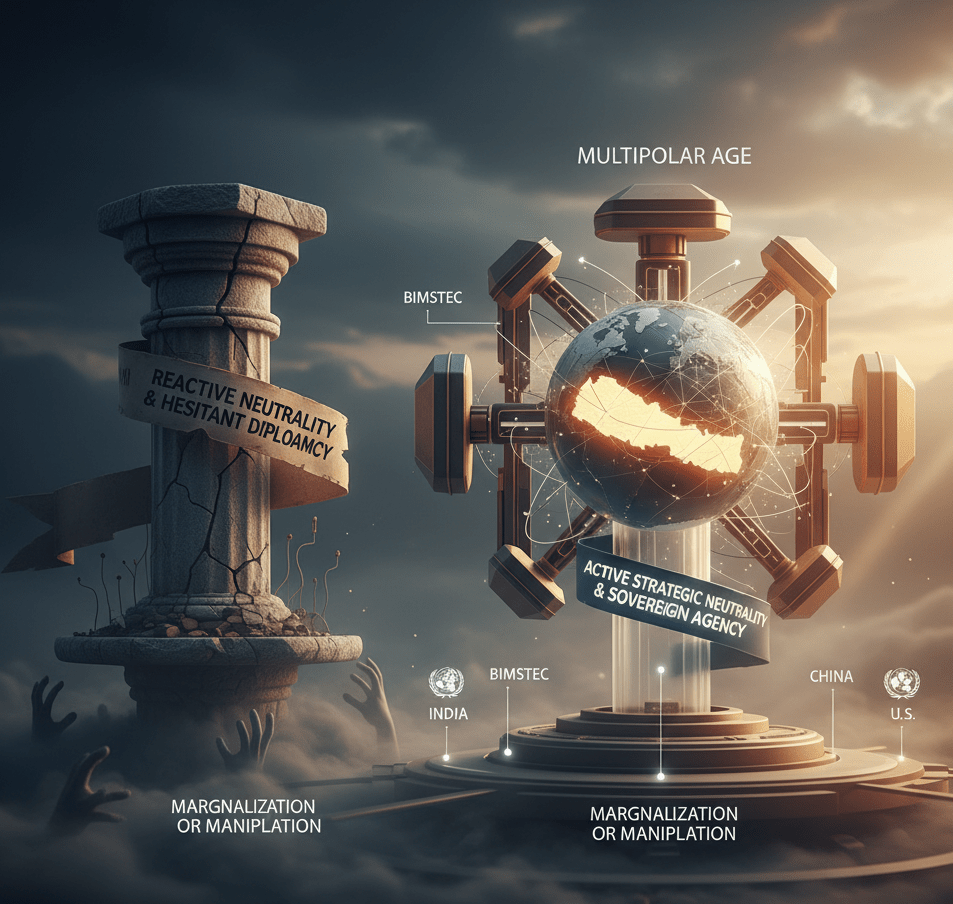


I have been working on the trends of the Nepalese Foreign Policy as the existing global order gets gradually altered in 21st century world ...
The mantle of political leadership is not merely a station of authority but a vessel of public trust, a role that demands an unwavering commitment to the collective well-being of the nation.
In this capacity, the words chosen by a leader are far more than a means of communication; they are the very instruments through which governance is articulated and societal harmony is cultivated.
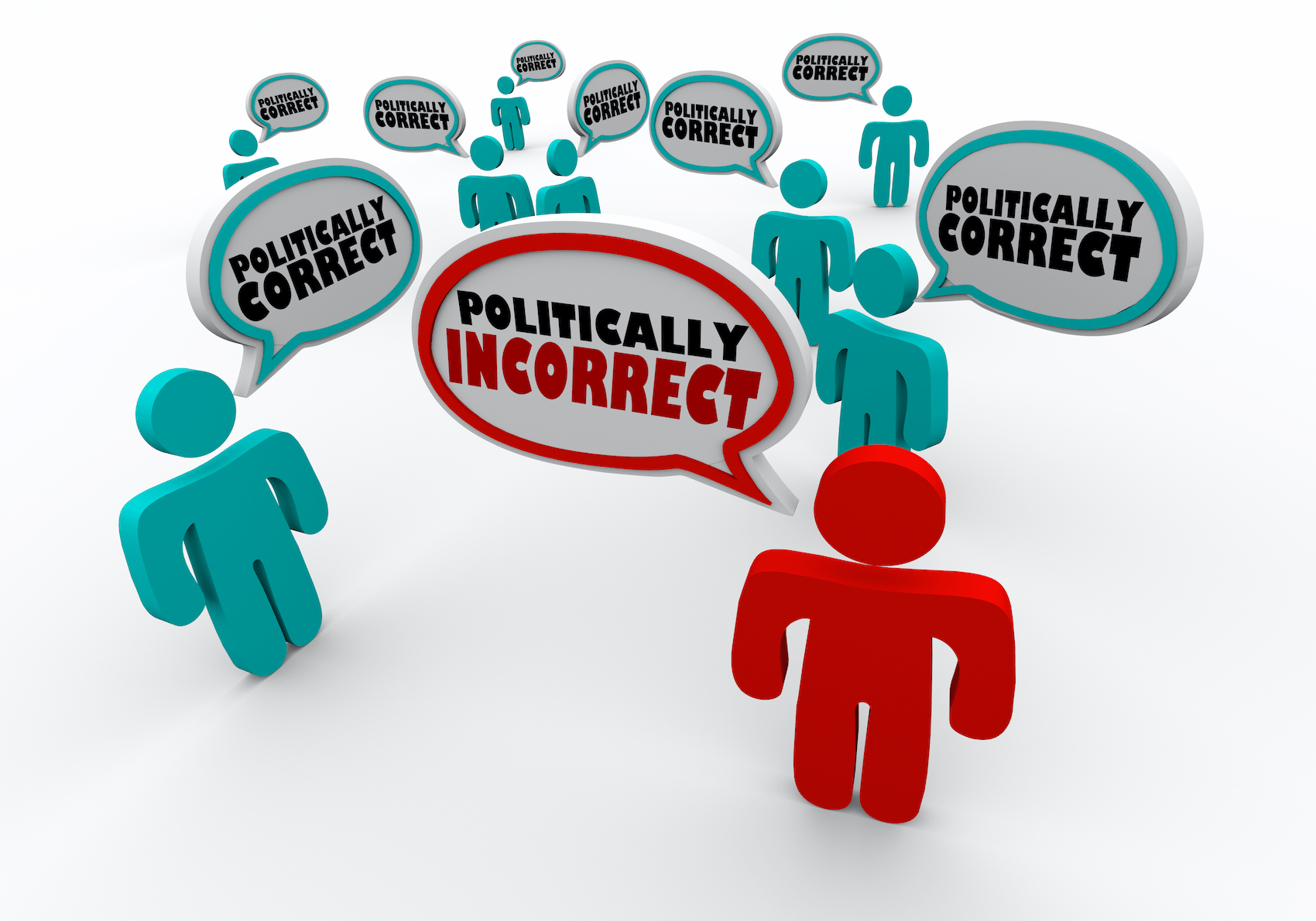
Consequently, the deliberate use of politically and socially correct language must be recognized not as an act of concession, but as a fundamental discipline of statecraft. It is the careful calibration of expression that acknowledges the diverse tapestry of human experience within a society, ensuring that every individual feels seen and respected within the broader national narrative.
To illustrate this point, one might consider the analogy of a master architect entrusted with the preservation of a great and ancient cathedral. This architect understands that the integrity of the entire structure depends on the strength of its countless, interconnected stones.
Each word uttered by a political figure is akin to one of these stones. Careless or abrasive language can loosen mortar and create fissures, weakening the social fabric.
In contrast, language that is measured, inclusive, and respectful acts as a binding agent, reinforcing the walls of civility and strengthening the entire edifice against the tremors of discord.
The architect’s goal is not to alter the cathedral’s fundamental design, but to ensure its endurance through meticulous and thoughtful upkeep.
Building upon this, the transition from divisive rhetoric to unifying discourse is a hallmark of mature leadership. Phrases that bridge divides and acknowledge shared aspirations serve as crucial pillars for constructive dialogue.
When a leader consciously employs terminology that elevates rather than alienates, they are not engaging in mere semantics; they are laying the groundwork for consensus. This approach fosters an environment where complex issues can be debated on their merits, free from the corrosive effects of personal offense or cultural insensitivity.
It is, in essence, the diplomatic channel through which a pluralistic society navigates its differences.
Furthermore, it is imperative to frame this linguistic discipline as a strategic asset in both domestic and international arenas. On the world stage, the language of a nation’s representatives is meticulously scrutinized and becomes a proxy for its values and intentions.
A consistently diplomatic and respectful lexicon projects an image of stability, reliability, and sophistication, thereby amplifying a country’s soft power and fostering fruitful international partnerships.
Conversely, unpredictable or inflammatory speech can create unnecessary diplomatic friction and undermine strategic objectives, demonstrating that rhetorical restraint is synonymous with strategic foresight.
Nevertheless, it is crucial to address a common misconception. The advocacy for thoughtful speech is in no way a call for intellectual timidity or the suppression of robust debate.
On the contrary, the most formidable ideas are those that can be articulated with precision and persuasiveness without resorting to demeaning those who hold opposing views.
The challenge—and the skill—lies in addressing contentious issues with a focus on principles and policies, rather than on personal or group identities. This elevates the political conversation and reaffirms a commitment to a contest of ideas, not a conflict of persons.
In practice, the consistent application of this principle cultivates a reservoir of public confidence. When citizens observe their leaders exercising judicious care in their public statements, it reinforces the perception of a thoughtful and deliberate governance structure.
This consistency becomes a source of national stability, assuring the populace that their leadership is capable of navigating the complexities of modern society without resorting to the destabilizing force of inflammatory rhetoric. The trust thus earned is the most valuable currency of any effective administration.
In conclusion, the commitment to politically and socially aware language is a testament to the profound understanding that in leadership, tone is inseparable from substance. It is the practice of wielding influence with a deep sense of responsibility for the social cohesion it impacts.
Just as a seasoned captain respects the power of the sea and navigates with prudence rather than force, a wise statesman recognizes the power of words and steers the ship of state with a lexicon that unites, dignifies, and builds. This is not a peripheral aspect of leadership but is, in fact, central to its enduring legacy and success.
I have been working on the trends of the Nepalese Foreign Policy as the existing global order gets gradually altered in 21st century world ..
I have been working on the trends of the Nepalese Foreign Policy as the existing global order gets gradually altered in 21st century world. I am an MA in English and MPhil in International Relations a...
@ Copyright matrikapoudyal.com All Rights Reserved
Designed by Fortune Info Tech