


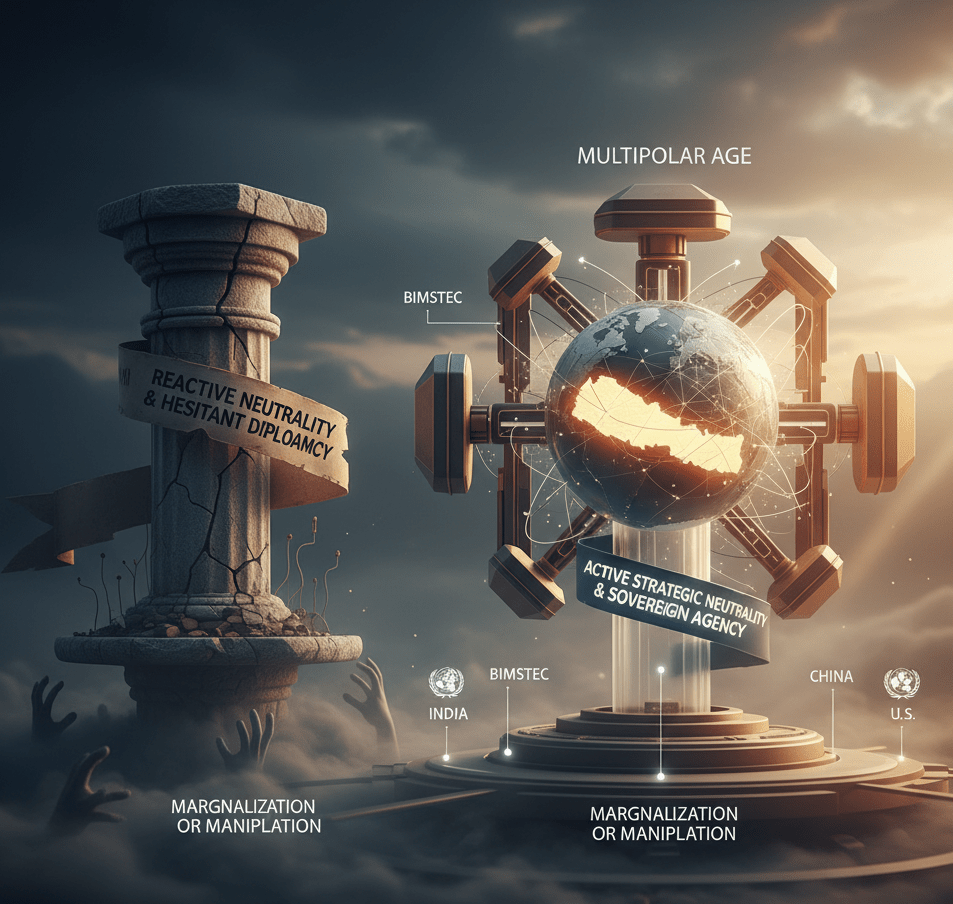


I have been working on the trends of the Nepalese Foreign Policy as the existing global order gets gradually altered in 21st century world ...
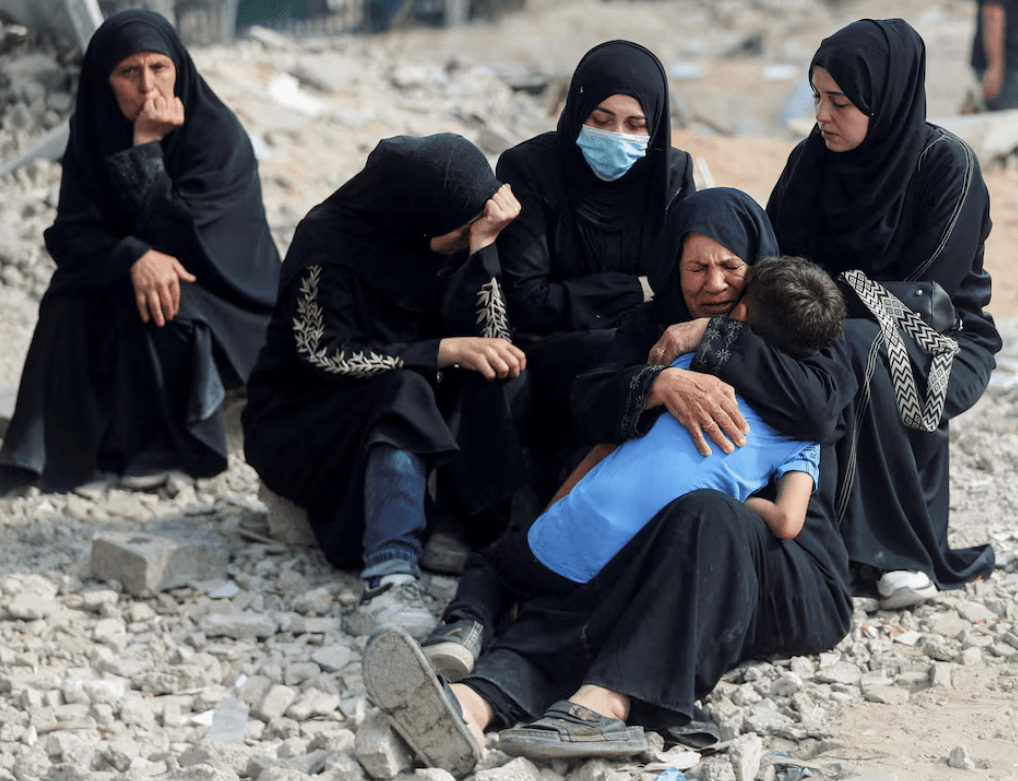
The Gaza Strip, a sliver of land along the Mediterranean coast, encapsulates a humanitarian crisis that transcends its geographical boundaries.
The ongoing tragedy, far from being a localized conflict, represents a profound wound on the collective conscience of humanity. Each day, the situation escalates, testing the limits of international law and humanitarian principles.
This crisis beckons the world to confront its moral responsibilities and act decisively to alleviate the immense suffering.
This deepening catastrophe devastates civilian lives, pulverizing infrastructure and shattering the social fabric of an entire population. The relentless conflict, marked by indiscriminate violence and overwhelming force, reduces homes, schools, and hospitals to rubble.
Families lose everything—their loved ones, their livelihoods, and their sense of security. The very air they breathe carries the dust of destruction, while the constant threat of violence forces them to endure a pervasive state of terror. This environment of perpetual insecurity erodes the community’s resilience and its hope for a stable future.
The humanitarian needs in Gaza have reached unprecedented levels. Essential services, including healthcare, clean water, and electricity, have collapsed under the strain of continuous conflict and blockade.
Hospitals, operating on a threadbare budget and with limited supplies, struggle to treat the massive influx of casualties. Medical professionals, exhibiting immense courage, work tirelessly amidst the chaos, yet their efforts cannot compensate for the systemic breakdown of the healthcare system.
The scarcity of basic necessities like food and medicine exacerbates the suffering, pushing the population toward a state of profound desperation.
The international community’s response to this crisis appears profoundly insufficient. While global leaders issue statements of concern and humanitarian organizations launch emergency appeals, the tangible impact on the ground remains minimal.
The lack of a unified, resolute effort to enforce a lasting ceasefire and ensure unrestricted access for aid agencies deepens the humanitarian calamity. This inaction signals a failure to uphold the fundamental values of human dignity and compassion, values that should govern international relations. It compels a re-evaluation of global priorities and the effectiveness of existing diplomatic frameworks.
The world must recognize that the plight of the people in Gaza is not a distant, foreign problem. It is a reflection of a shared human vulnerability and a test of our collective empathy. The images of suffering children and displaced families should not merely elicit pity; they must ignite a fire for change.
This tragedy challenges us to move beyond passive observation and commit to active engagement. It demands that we hold accountable those who perpetrate violence and neglect the fundamental rights of civilians.
Resolving this crisis requires a concerted effort from all global actors—governments, international organizations, and individuals. Diplomatic initiatives must shift from mere condemnation to concrete action, enforcing a ceasefire and establishing secure humanitarian corridors.
Financial aid must reach those in need without delay, and a long-term plan for reconstruction and rehabilitation must be put into place. Empowering local communities and supporting grassroots organizations can rebuild resilience from the ground up, fostering a sense of ownership and hope.
The future of Gaza and the region hinges on the world’s willingness to commit to a just and humane resolution. The ongoing tragedy in Gaza compels us to act with urgency and compassion, transforming our collective grief into a powerful force for peace.
By working together to address the root causes of this crisis and providing genuine support to those affected, we can begin to mend the wounds and demonstrate that humanity’s collective conscience remains a force for good in the world. This is not merely an option, but a moral imperative.
I have been working on the trends of the Nepalese Foreign Policy as the existing global order gets gradually altered in 21st century world ..
I have been working on the trends of the Nepalese Foreign Policy as the existing global order gets gradually altered in 21st century world. I am an MA in English and MPhil in International Relations a...
@ Copyright matrikapoudyal.com All Rights Reserved
Designed by Fortune Info Tech