

Democratic Institutions for Nepal

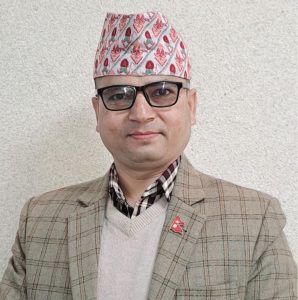
Picture of Matrika Poudyal

Matrika Poudyal

I have been working on the trends of the Nepalese Foreign Policy as the existing global order gets gradually altered in 21st century world ...
Downloads

Recent Posts

Democratic Institutions for Nepal

Nepal’s democracy relies on interconnected institutions. The Constitution provides the foundational blueprint for rule of law and an inclusive society. An independent judiciary enforces this vision, guarding liberty and checking power with impartial verdicts. Parliament gives direct voice to the people through reasoned debate and vigilant oversight of the state. A free press acts as an essential watchdog, exposing corruption and empowering citizens through truth. A merit-based civil service delivers competent governance, replacing patronage with professional trust. Inclusive commissions ensure marginalized communities strengthen policy. Together, these structures form a cohesive framework; their collective integrity prevents autocracy, secures justice, and determines our national future.

The bedrock of any functioning democracy is its constitutional and legal framework, anchored by a supreme constitution that defines state structure and fundamental rights. This foundation upholds the rule of law, binding both citizens and the state to equally enforced legal standards, while an independent judiciary interprets these laws, adjudicates disputes, and serves as a crucial check on governmental power.
Complementary to this, representative and legislative bodies, such as an elected parliament, give voice to the populace by crafting legislation and overseeing the executive, a process safeguarded by an independent electoral commission ensuring free and fair elections. Simultaneously, executive and administrative bodies—including the elected government and a non-partisan civil service—implement policy and deliver services, with independent offices like the Auditor General and Ombudsman enforcing fiscal transparency and administrative accountability.
Further resilience is provided by robust oversight and accountability institutions. A free media scrutinizes power as the “Fourth Estate,” while dedicated anti-corruption and human rights commissions investigate abuses and protect civic freedoms. This system is energized and balanced by pluralistic civic institutions: competing political parties offer democratic choice, and vibrant civil society organizations advocate for public interests and foster participation.
Together, inclusive commissions ensure marginalized groups have a stake in governance. These pillars do not operate in isolation; they form an interconnected ecosystem of mutual checks and balances. Their collective strength, autonomy, and integrity are non-negotiable prerequisites for sustaining liberty, ensuring accountability, and preserving a healthy, dynamic democracy.
Robust institutions form the very backbone of democratic survival. Without them, democracy crumbles into empty promises and chaotic power struggles. Nepal’s journey demands these strong pillars to translate the people’s will into just governance, enduring peace, and national progress. They protect citizens from tyranny and ensure the state serves all, not just the powerful.
The Constitution of Nepal stands as the supreme foundation. This document codifies our collective vision, guaranteeing fundamental rights and establishing a federal structure. It mandates the rule of law, where every person and authority remains subject to the same legal standards. This supreme law actively dismantles old hierarchies, commanding the state to build an inclusive society where no one faces discrimination.
An independent judiciary enforces this constitutional promise. Courts like the Supreme Court serve as guardians of justice, interpreting laws and striking down unfair actions. They protect individual liberty against state overreach. While trial by jury does not exist in Nepal, the judiciary’s duty remains the delivery of impartial verdicts. Its strength directly determines public faith in legal fairness and accountability.
The Federal Parliament embodies the people’s direct voice. Its elected representatives craft legislation, control state finances, and scrutinize the government’s work. This institution ensures accommodative representation, granting marginalized communities a platform in national decision-making. A vibrant, quarrelsome, yet productive Parliament reflects a healthy democracy where diverse Nepali voices shape their own destiny.
A free press operates as democracy’s essential watchdog. Journalists investigate power, expose corruption, and inform public debate. This relentless scrutiny keeps officials honest and citizens empowered. Attacks on press freedom strangle democracy itself. Nepal needs media that speaks truth without fear, fostering a society where transparency defeats secrecy and accountability defeats impunity.

The civil service must become a true engine of meritocracy. Recruitment and promotion based on talent and skill, not political connection, are non-negotiable. Such a professional administration implements policies effectively and delivers public services equitably. It builds citizen trust by ensuring that competence, not patronage, governs daily interactions with the state.

Ultimately, these institutions interconnect to strengthen the whole system. Their collective robustness guarantees that rule of law prevails, representation includes every community, and merit determines opportunity. Nepal’s democratic future depends not on personalities, but on fortifying these permanent pillars. We must demand their integrity, defend their independence, and empower their function. Our shared prosperity depends on this unending mission.

Leave a Reply

Your email address will not be published. Required fields are marked *

Picture of Matrika Poudyal

Matrika Poudyal

I have been working on the trends of the Nepalese Foreign Policy as the existing global order gets gradually altered in 21st century world ..